Living-room lamps can look good together without being identical. To keep an old lamp and add a new one, repeat a feature you like, such as the shade color or a metal finish, while allowing the shapes to differ. A matching pair makes sense when you want symmetry around a sofa or on a console.
The old lamp gives you a useful starting point. Work from its shade and base, compare the lamps on the furniture they’ll actually use, then check them switched on. The aim is a companion that belongs in your room without having to replace every lamp you already own.
In this guide
Do living-room lamps need to match?
Living-room lamps don’t all need to match, and buying a set is a decorating choice. A pair of identical table lamps can frame a sofa, especially with similar end tables. If you like that orderly arrangement, matching lamps are a straightforward way to get it.
The pair below repeats the pale shades and curved, reflective bases at opposite ends of the sofa. The black tables also help the arrangement read as a pair. Use that combination as an option if your furniture already gives the lamps similar places to sit.
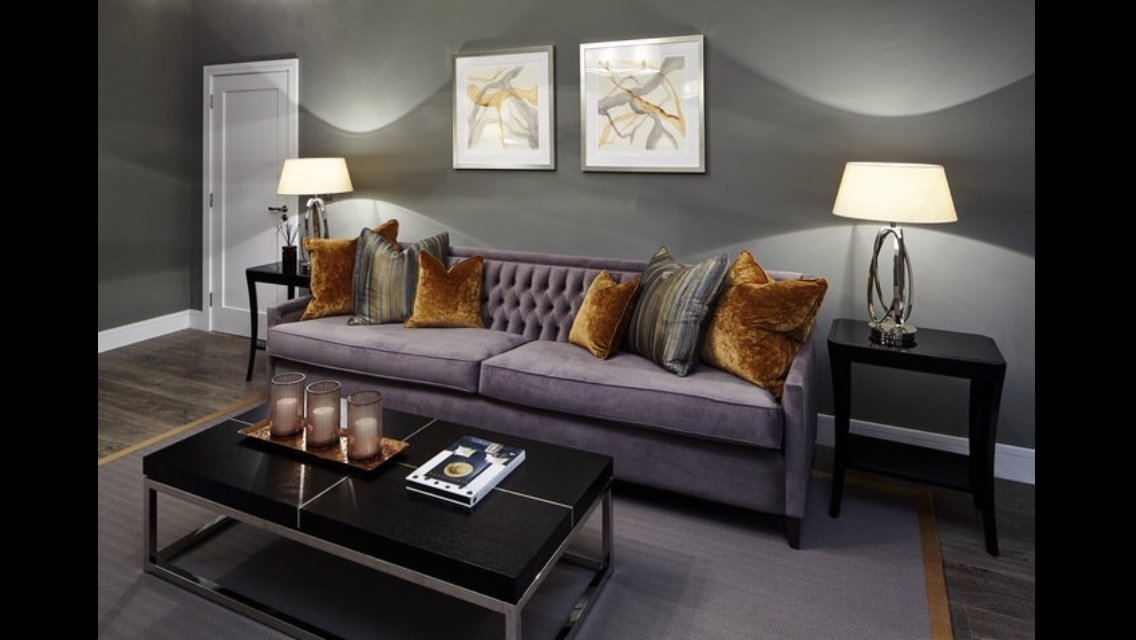
An uneven layout calls for more flexibility. One end of your sofa might have a side table while the other opens onto a doorway. A table lamp and a floor lamp can suit those different spaces, even though their bases and heights won’t form a mirrored pair.
I’d keep an existing pair together if I liked how it framed the sofa. Adding a different reading lamp elsewhere would be a separate choice. Coordinating the room’s lighting allows both a matched pair and an individual lamp; the new purchase can answer the needs of its own spot.
Build the new lamp around the one you’re keeping
Once you’ve decided how much symmetry you want, treat the old lamp as the fixed piece. Look at what you actually like about it: the colored base, the slim stem, the pleated shade, or the contrast it makes against the wall. Choose a connection worth carrying into the next lamp.
Repeating one noticeable feature is a useful place to begin. For an old blue ceramic lamp with a cream shade, a new lamp could repeat the cream shade while using a slender metal base. The shade links the lamps, and the different base gives the new one its own shape.
| What you want to keep | A connection to try in the new lamp | What can differ |
|---|---|---|
| A colored ceramic base | A shade in a similar neutral color | Base material and outline |
| An aged brass stem | A related metal detail, or a shade color already in the room | Overall size and lamp type |
| A patterned or pleated shade | A plain companion that repeats one of its colors | Shade shape and texture |
| A simple black lamp | A black detail in the new lamp or nearby furniture | A warmer wood or ceramic base |
Choose the connection that’s visible from across the seating area. A tiny brass switch may be too subtle to carry the whole pairing, while broad cream shades are easy to notice. Put the old lamp beside candidate photos and cover the brand names; compare the parts your eye picks up first.
A similar lamp shade can also help two existing bases feel closer. Before buying replacements, check each lamp’s shade fitting and the manufacturer’s requirements for size and clearance. A shade you like still needs to work with that particular lamp, and changing the shade may change where its light goes.
Compare lamp-and-table height as a whole
A shared finish or shade color can look quite different once the lamps sit on your furniture. For table lamps, compare the full combination from the floor to the top of the shade. A shorter lamp on a taller table can appear closer in height to a taller lamp on a low table.
For lamps flanking a sofa, similar overall heights are worth trying if you want a calmer, more symmetrical view. Check from the entrance and then sit down. The shade also needs to screen an uncomfortable view of the bulb while leaving light where you’ll use it.
A floor lamp and a table lamp can have more obvious height differences. In the arrangement below, a table lamp and floor lamps occupy separate positions beside the sofas. Their differences help distinguish their roles around the seating group; aligning every shade would lose that effect.
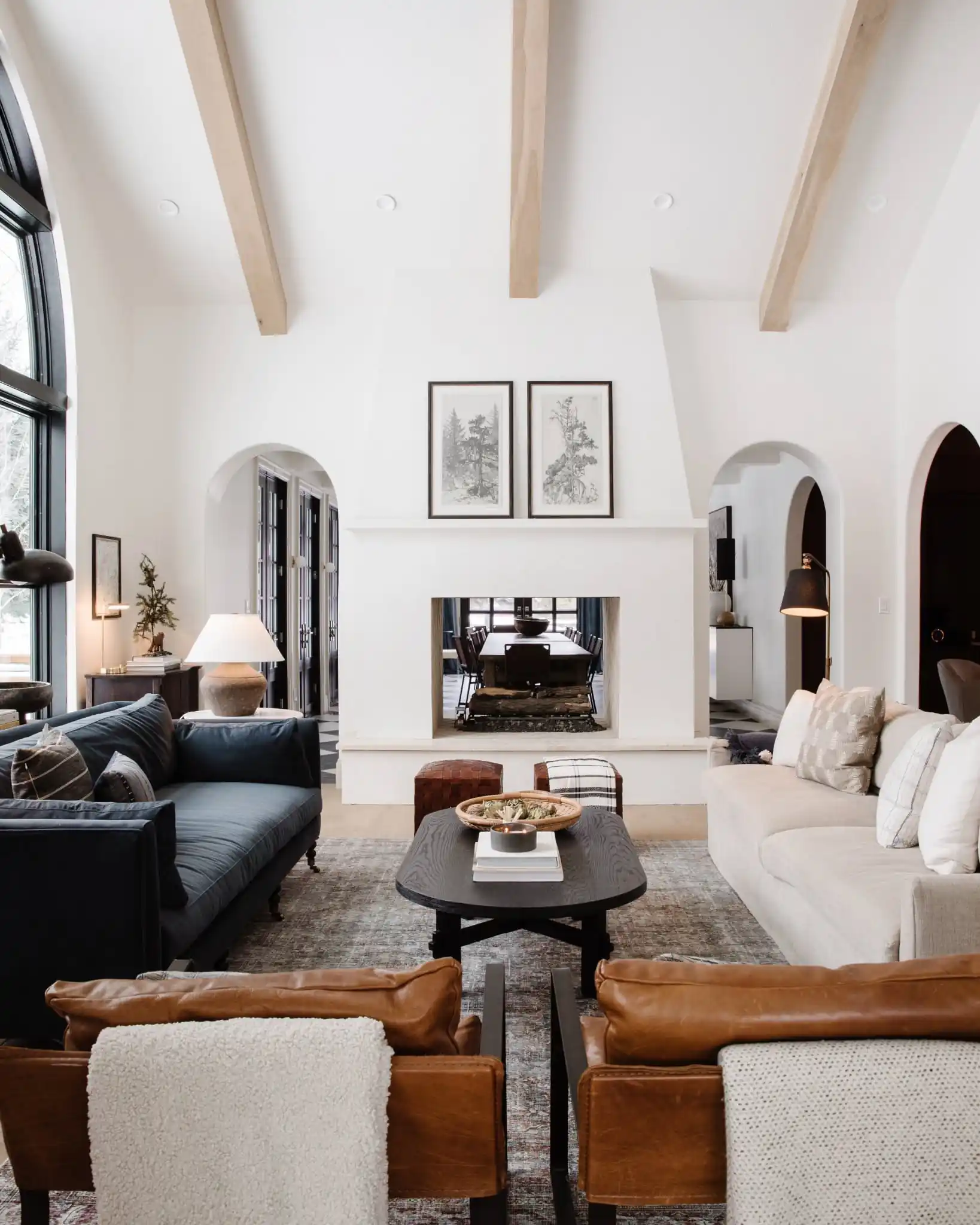
Width deserves the same attention as height. A wide shade can make a small end table feel crowded even when the base fits. Measure the available tabletop and compare the product dimensions, leaving room for your usual book, drink, and access to the switch.
Before adding another lamp for its appearance, check whether your existing lamps cover the seats you use. That separates a decorating choice from a gap in useful light.
Give a distinctive old lamp a quieter companion
After checking size, decide which lamp you want to notice first. If the old lamp has a patterned shade or a strongly colored base, I’d let that be the prominent piece. A companion with a simpler outline gives the old lamp room to stand out.
For example, an ornate ceramic table lamp could sit across the room from a plain floor lamp with a pale shade. The second lamp can pick up a color already in the first lamp or the furniture. You get a visible relationship without repeating the ornament on both sides of the room.
The tripod floor lamp below shows another way to connect different fixtures. Its white shade and dark legs differ from the brass wall lights, while dark lines in the furniture and artwork connect it to the room. The furniture contributes to the connection, so the lamps don’t have to do all the matching themselves.

If both lamps demand attention, try separating them across the room or simplifying the shade on one, where a compatible replacement is available. Judge them alongside the sofa, art, and tables. A busy lamp can feel comfortable in an otherwise quiet corner and crowded beside patterned upholstery and several ornaments.
Fix the mismatch that appears when lamps are on
Lamps that coordinate in daylight can look less related when switched on. Before blaming the bases, look at the illuminated shades and the light falling onto the wall. A yellow-looking shade at one end and a much whiter glow at the other can make the difference more noticeable.
Check the bulb labels in the lamps you usually use together. Similar Kelvin ratings, which describe light color, are a useful starting point for a more consistent appearance. Shade material and color still affect the result. Brightness is a separate choice: a reading lamp may need different output from a small decorative light.
If the bulbs have similar labels but the shades glow differently, examine the shades themselves. An old cream shade and a new white one may look close while switched off and much less alike when lit. Compare replacements in use where possible, following each lamp’s fitting and clearance requirements.
I’d settle a light-color problem before replacing a favorite base. The base might already work with the furniture, leaving the bulb or shade as the part that needs attention. That keeps the purchase tied to the difference you’re actually seeing.
Turn the old lamp into a short shopping brief
By this point, the new lamp should have a few specific requirements. Take a photo of the old lamp on its table, note the space available for the companion, and write down the feature you want to repeat. Include the lamp’s intended job so appearance and usefulness stay together.
Suppose you’re keeping a blue ceramic table lamp with a cream shade, and the opposite sofa end has no table. A useful brief could read:
- A floor lamp with a simple base that fits beside the sofa.
- A pale shade that relates to the old lamp’s cream shade.
- Light that reaches the seat where you read, with a switch you can reach.
- A shape quieter than the blue ceramic lamp, which remains the main accent.
That gives you room to compare several styles while keeping the old lamp in the decision. If a new lamp misses the brief, you can say why: the shade crowds the seat, the base needs too much floor space, or its decoration competes with the piece you wanted to keep. Those are useful reasons to keep looking.
Explore the full guide: Cozy Living Room Lighting: Start With the Lamps You Have