In this guide
Cozy living room lighting starts with soft light around the places you use: a comfortable glow around the sofa, enough light for reading, and some light beyond the seating area. Warm bulbs help, but placement and brightness matter too. Start by moving or adjusting your existing lamps so each one serves a purpose.
A room can have a lovely lamp in every corner and still feel uncomfortable from the couch. The checks below help you find the missing piece, put your lamps to work, and choose a bulb or fixture when an adjustment isn’t enough.
Why does your living room still feel harsh or dim?
A living room can feel harsh because the light source is too exposed, or dim because useful areas remain in shadow. Those problems need different fixes. Before shopping, look at the room after dark with the curtains in their usual position, then sit where you normally spend the evening.
Notice what bothers you first. A bright bulb beside your face calls for a different change than a chair with no reading light. Use the table to choose a starting point, then change one thing so you can tell whether it helped.
| What you notice | What to check | A useful first adjustment |
|---|---|---|
| The lamp feels glaring from the sofa | Can you see the bright bulb or its reflection? | Move the lamp or adjust its direction so the source is less exposed. |
| The coffee table is bright, but the room feels gloomy | Is most of the light concentrated in the center? | Try a lamp near the edge of the seating area. |
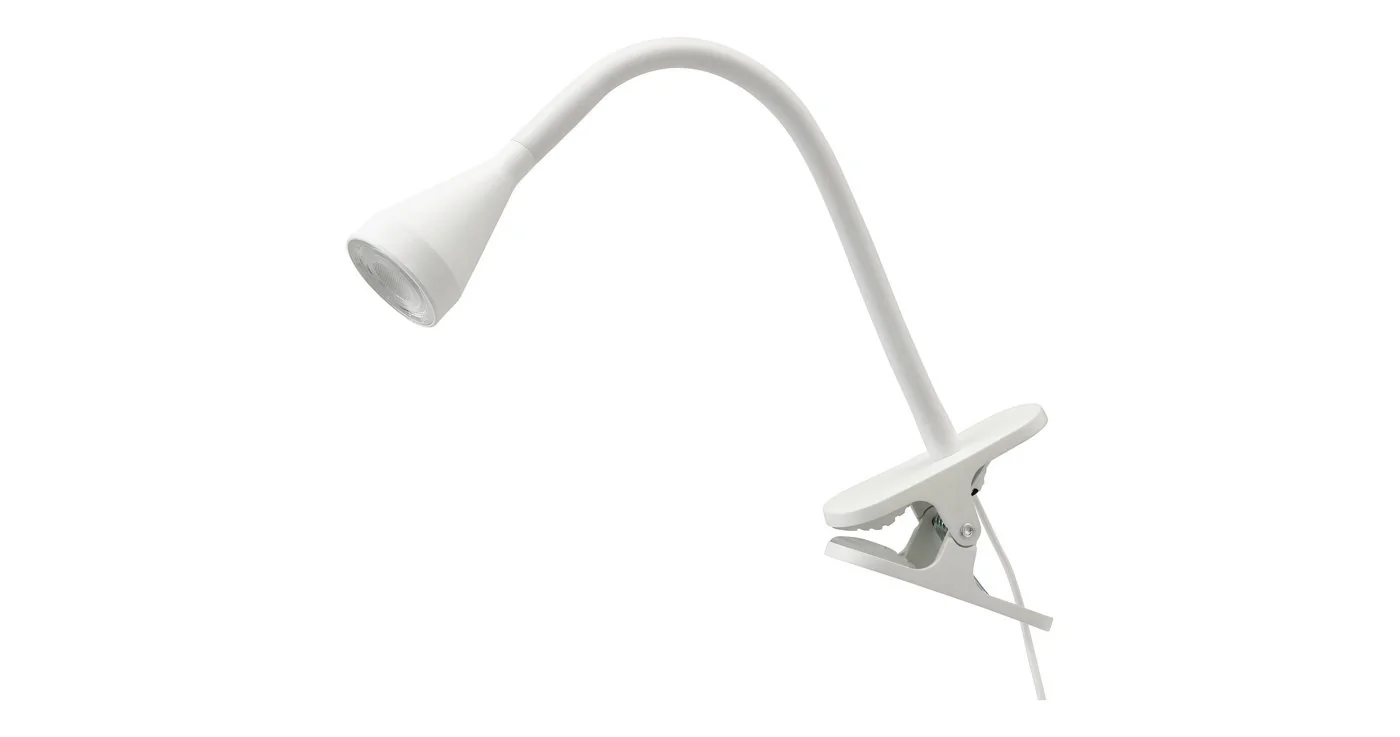
| The room looks cozy, but reading is difficult | Does light reach the page where you actually sit? | Bring a focused light closer to the reading position. |
| One lamp looks noticeably whiter than the others | Do the bulbs have different Kelvin ratings? | Compare their labels before replacing a fixture. |
| The whole room feels too bright for watching TV | Which lights need to stay on for that activity? | Switch off an unnecessary light or lower a compatible dimmable one. |
The distinction between color and brightness is especially useful here. A warm-looking bulb can still be too bright for its position, while a dim lamp can leave a reading chair poorly lit. Making everything warmer won’t fix light that falls in the wrong place.
Give each living room light a job
Once you’ve identified the uncomfortable area, give the available lights separate jobs. A small living room benefits from the same basic division as a larger one: light for moving around, light for a particular activity, and light that draws attention to something you enjoy looking at.
Ambient light provides the room’s general illumination. A ceiling fixture can do that job, and a lamp that spreads light onto surrounding surfaces can contribute too. Keep enough general light to use the room comfortably; the amount that feels right while chatting may differ from what you want during cleaning.
Task light serves a specific activity, such as reading beside the sofa. Its usefulness depends on where the light lands. A beautiful table lamp across the room may add atmosphere while doing very little for the book in your lap.
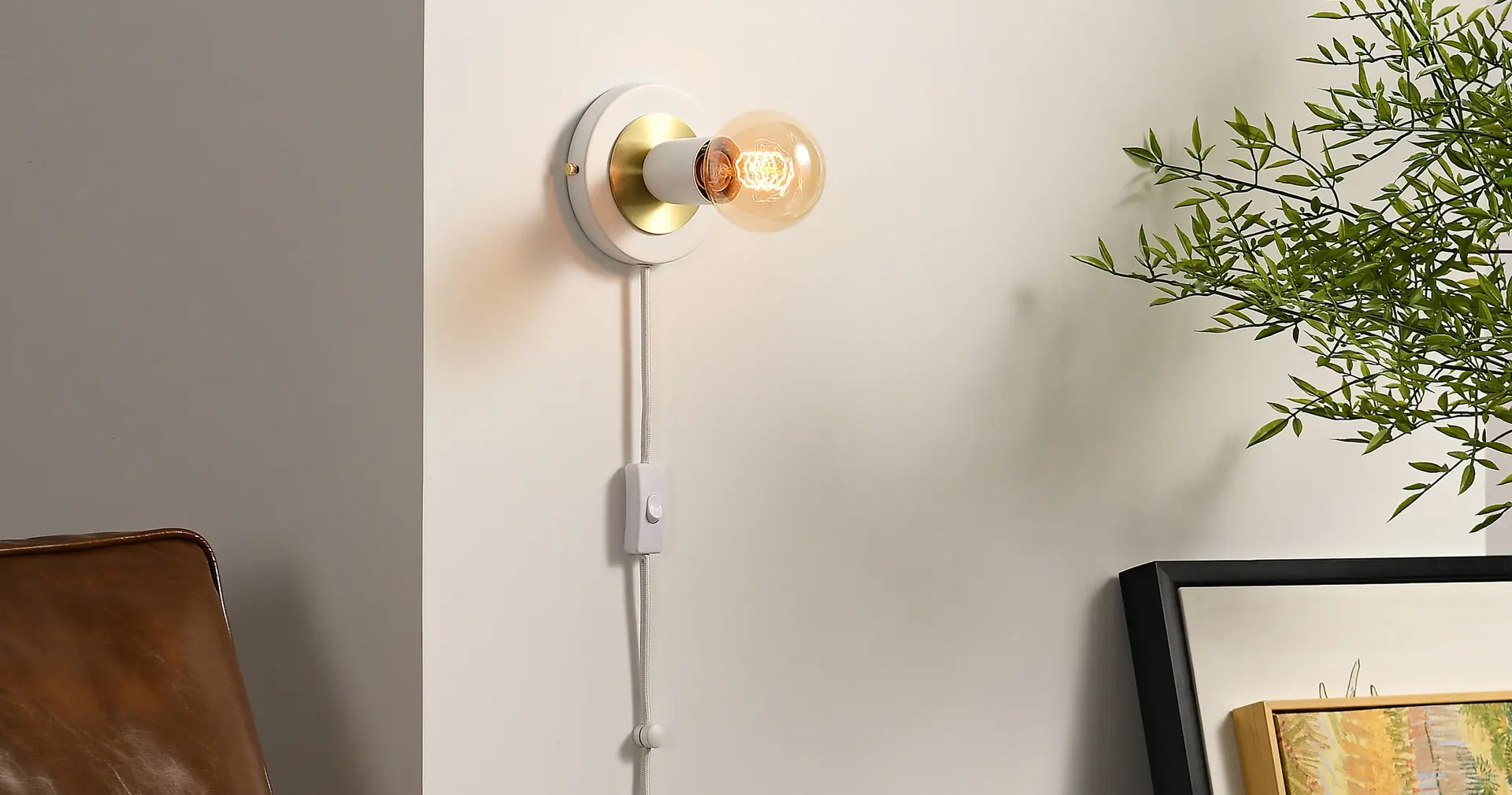
Accent light brings a shelf, picture, plant, or part of a wall into view. This is a useful finishing layer after the seating and everyday activities are covered. In a compact room, a small light on an existing shelf can be easier to accommodate than another floor lamp.
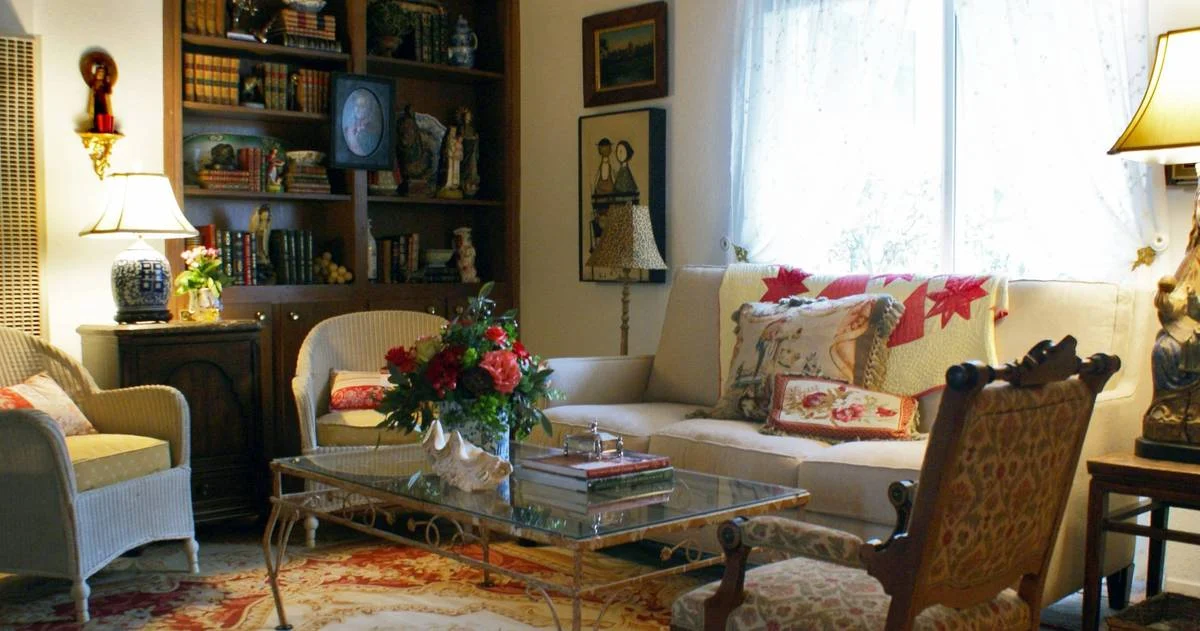
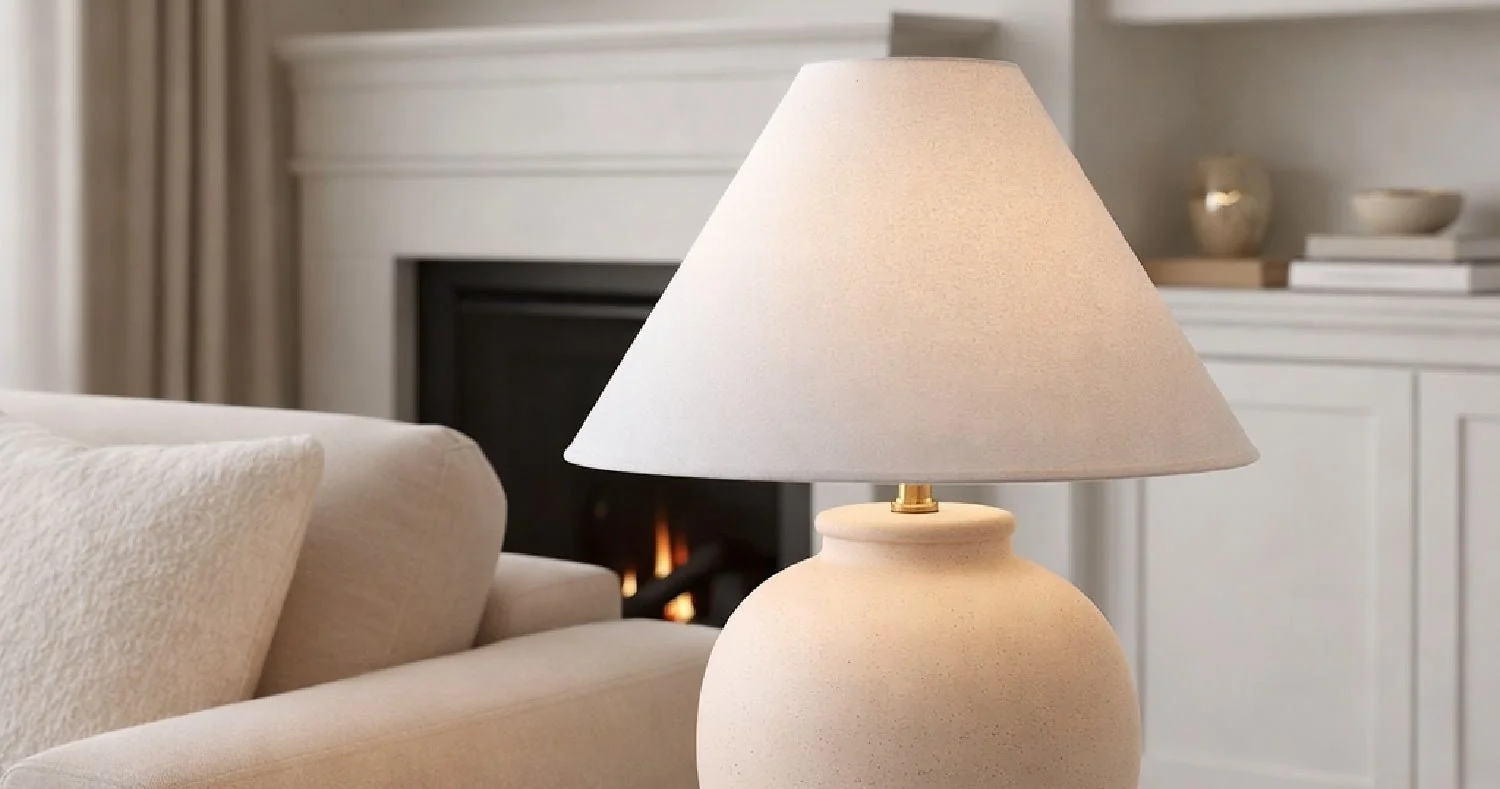
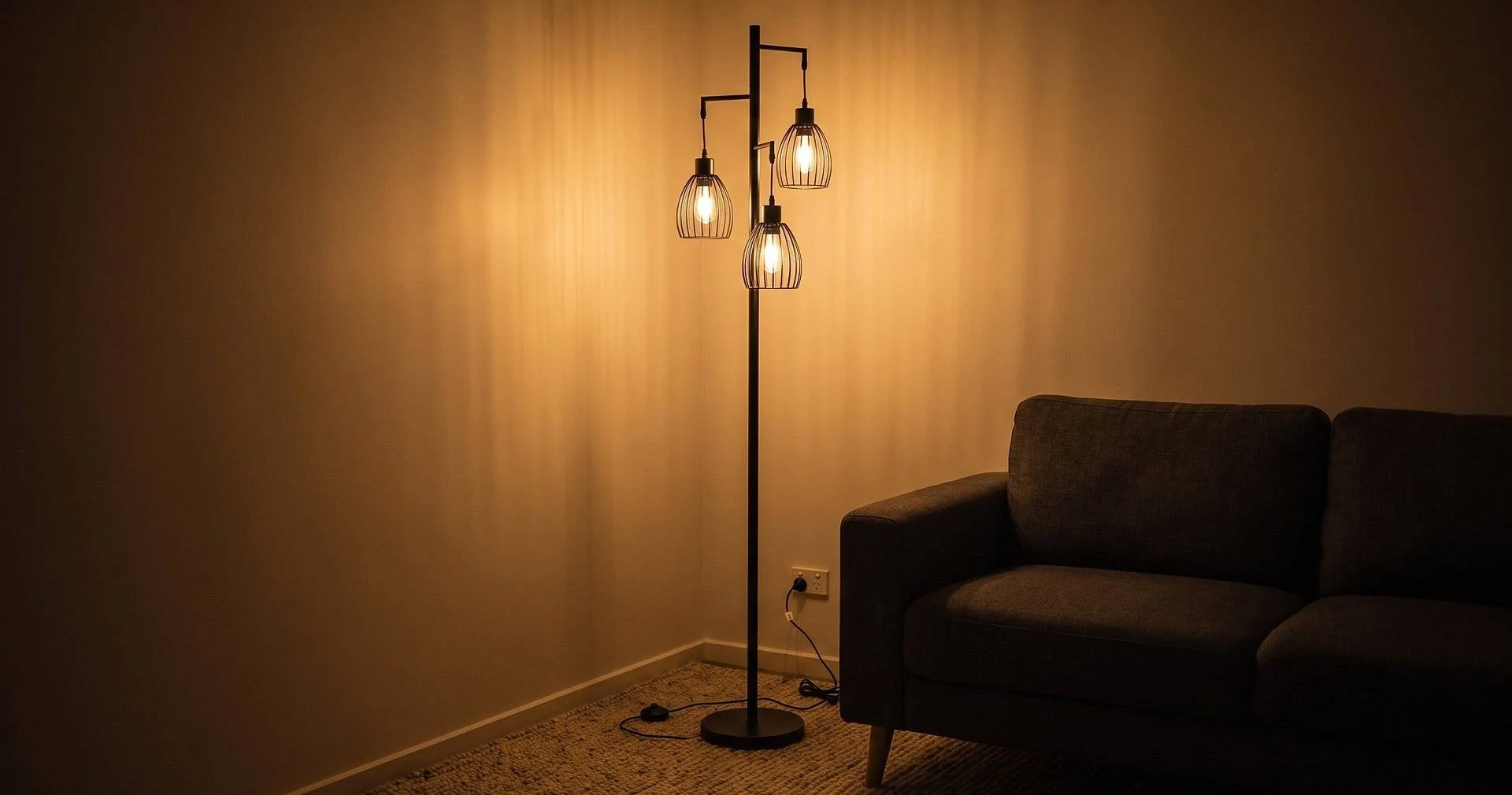
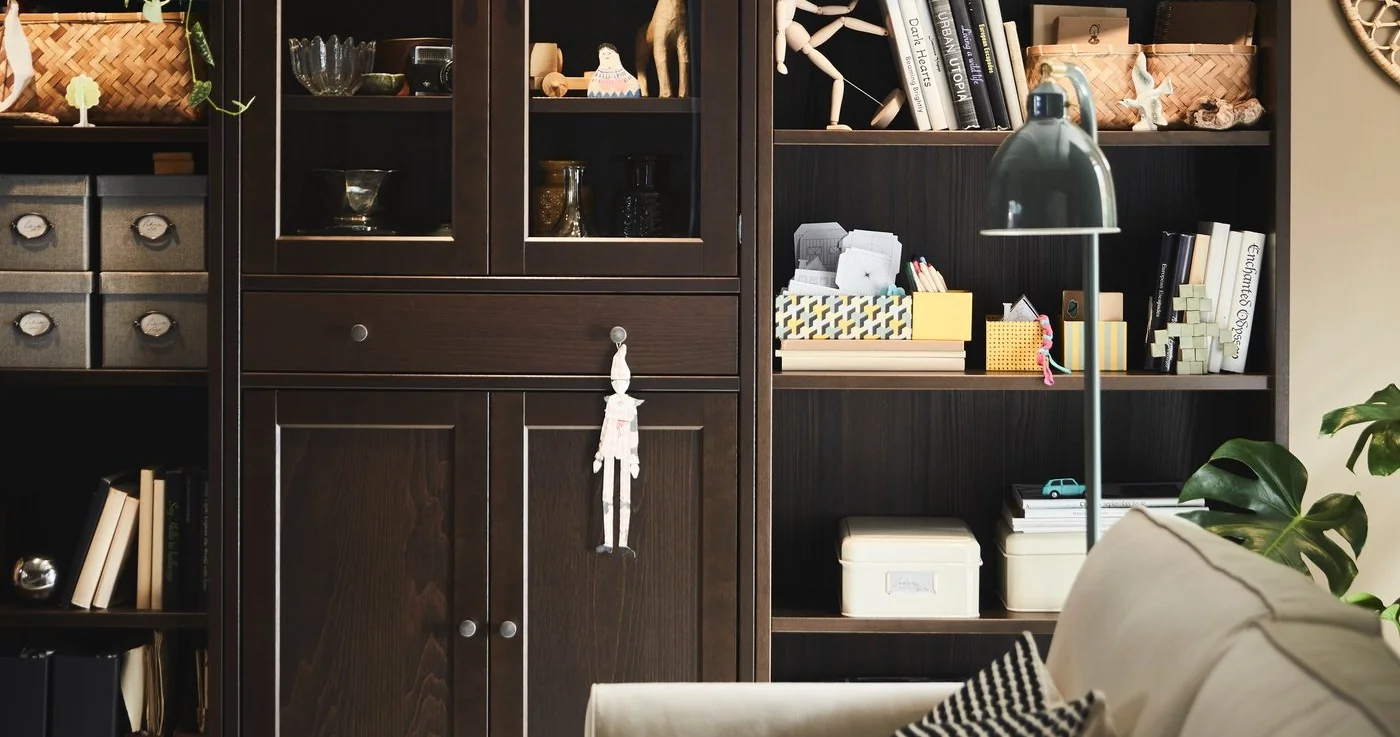
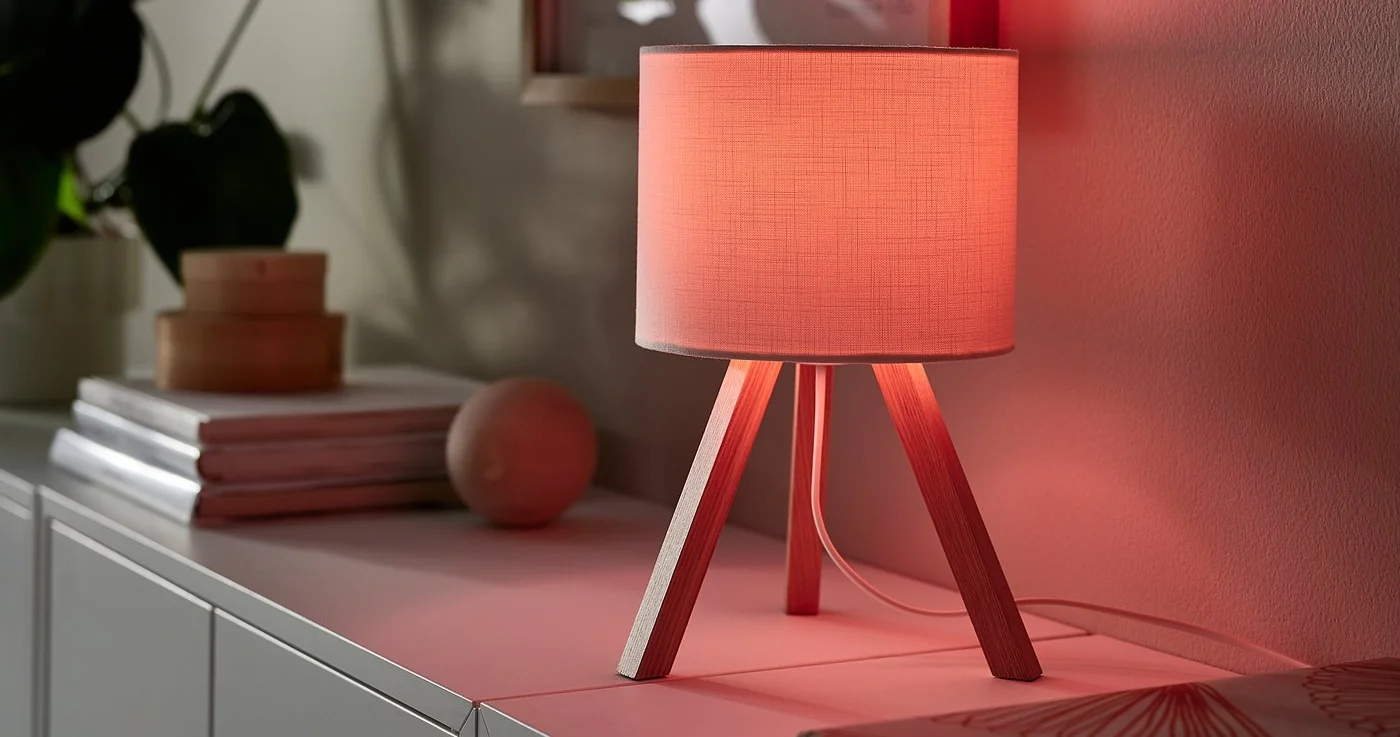
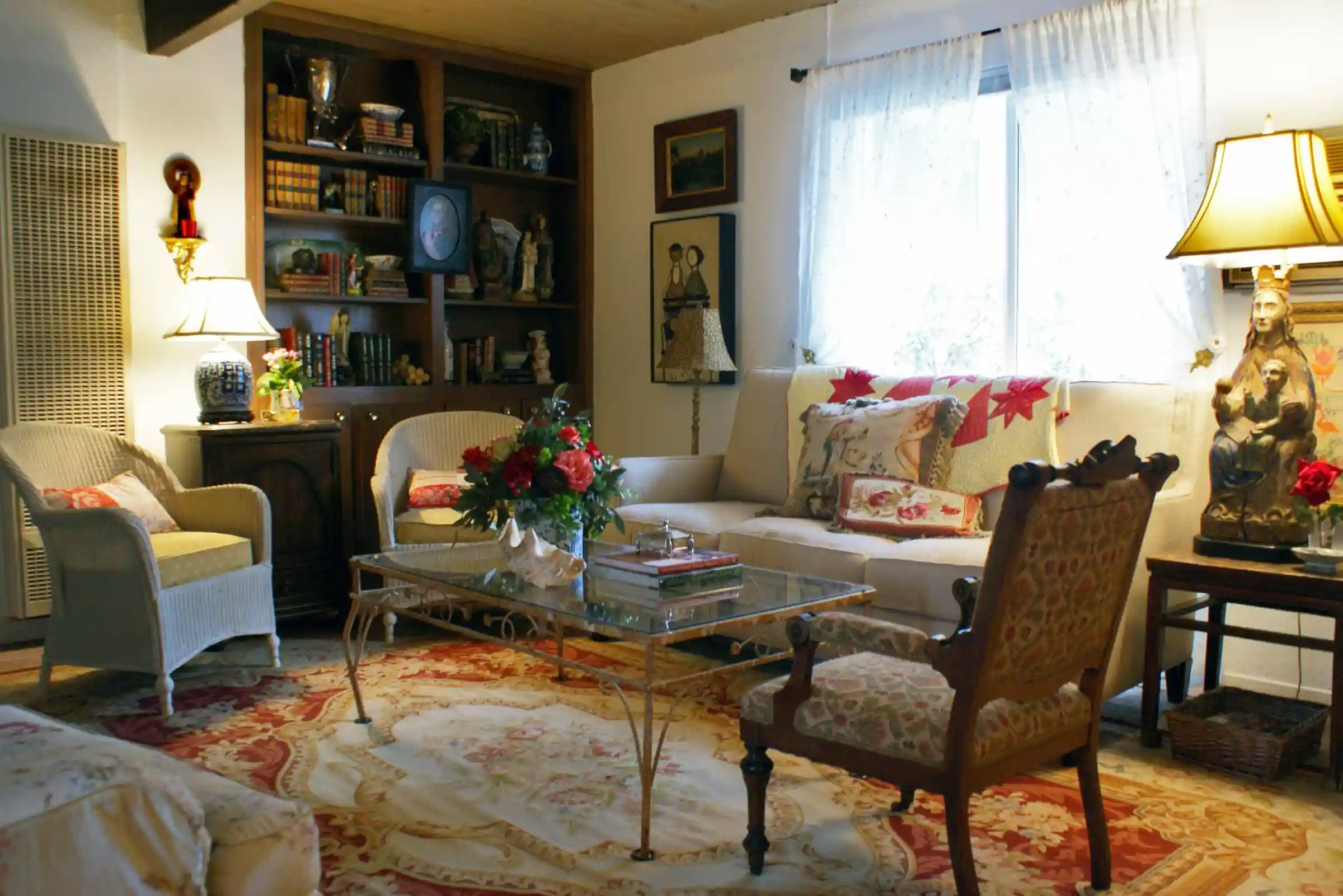
The arrangement below offers a useful way to think about layers: shaded lamps at the edges of the seating group put light in several places rather than concentrating it over the coffee table. Look for a similar spread using furniture you already have. You can assign several jobs to one lamp as long as it actually reaches those areas.
Check the lighting from your sofa, not the doorway
Giving every lamp a job is only part of the layout. The view from the sofa decides whether those lights feel comfortable during the evening. A shade that hides the bulb when you’re standing may leave it exposed when you sit lower down, so check from each frequently used seat.
Check for glare from the light nearest your face. If the bulb is directly visible and bothers you, try shifting the lamp beside or slightly behind the seat, or adjusting its head if the design allows. Keep the light useful for the activity; moving it out of sight is little help if the page also falls into shadow.
Then look toward the TV and other reflective surfaces. A lamp may be comfortable beside you but show up as a bright reflection in a dark screen. Try changing its position and check the screen again from the viewing seat before deciding that the bulb needs replacing.
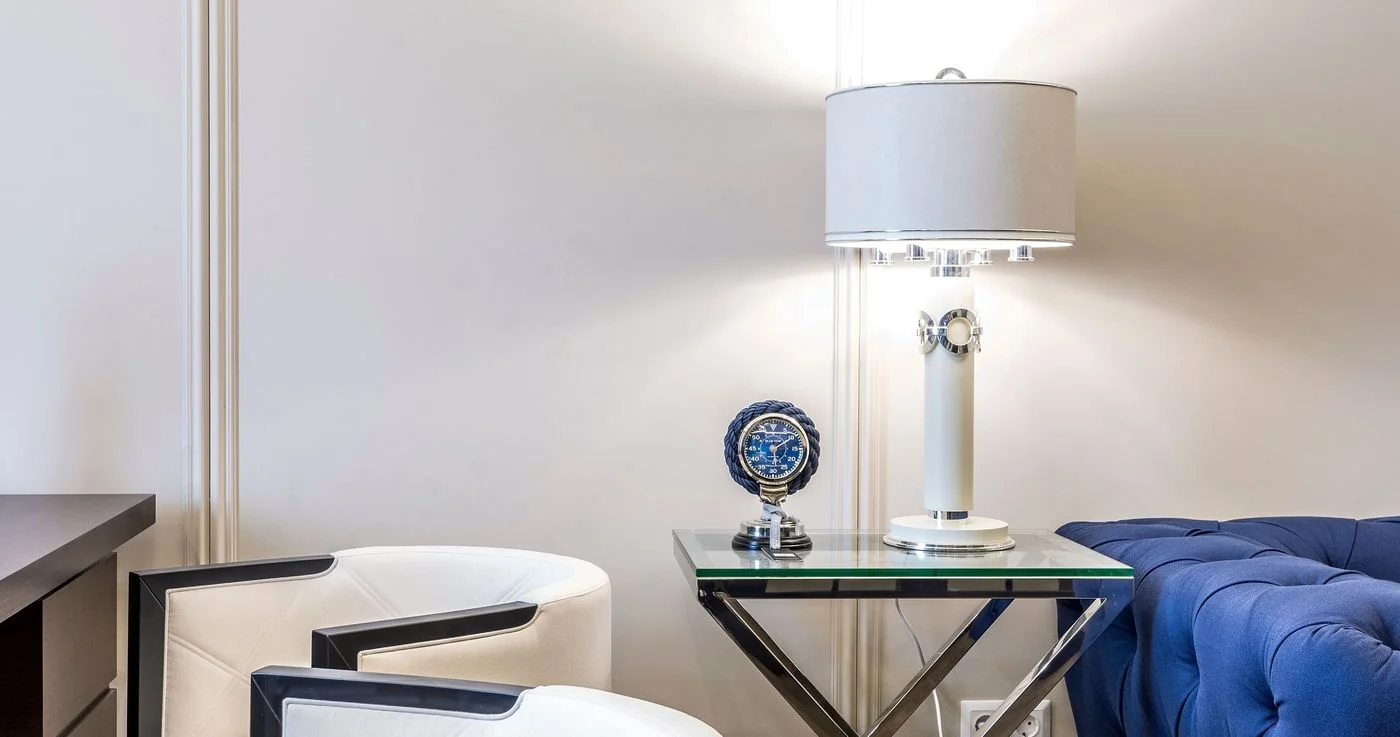
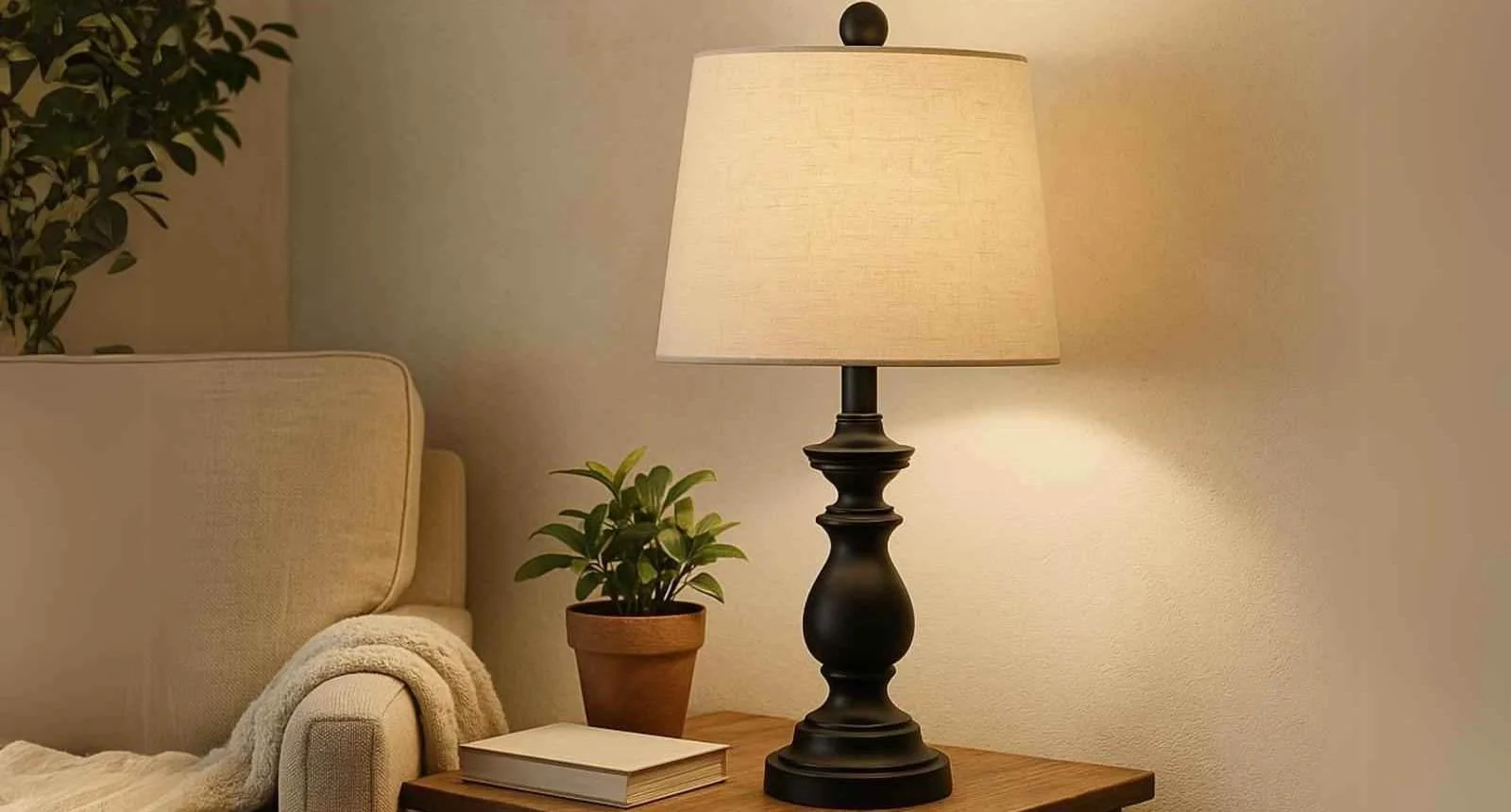
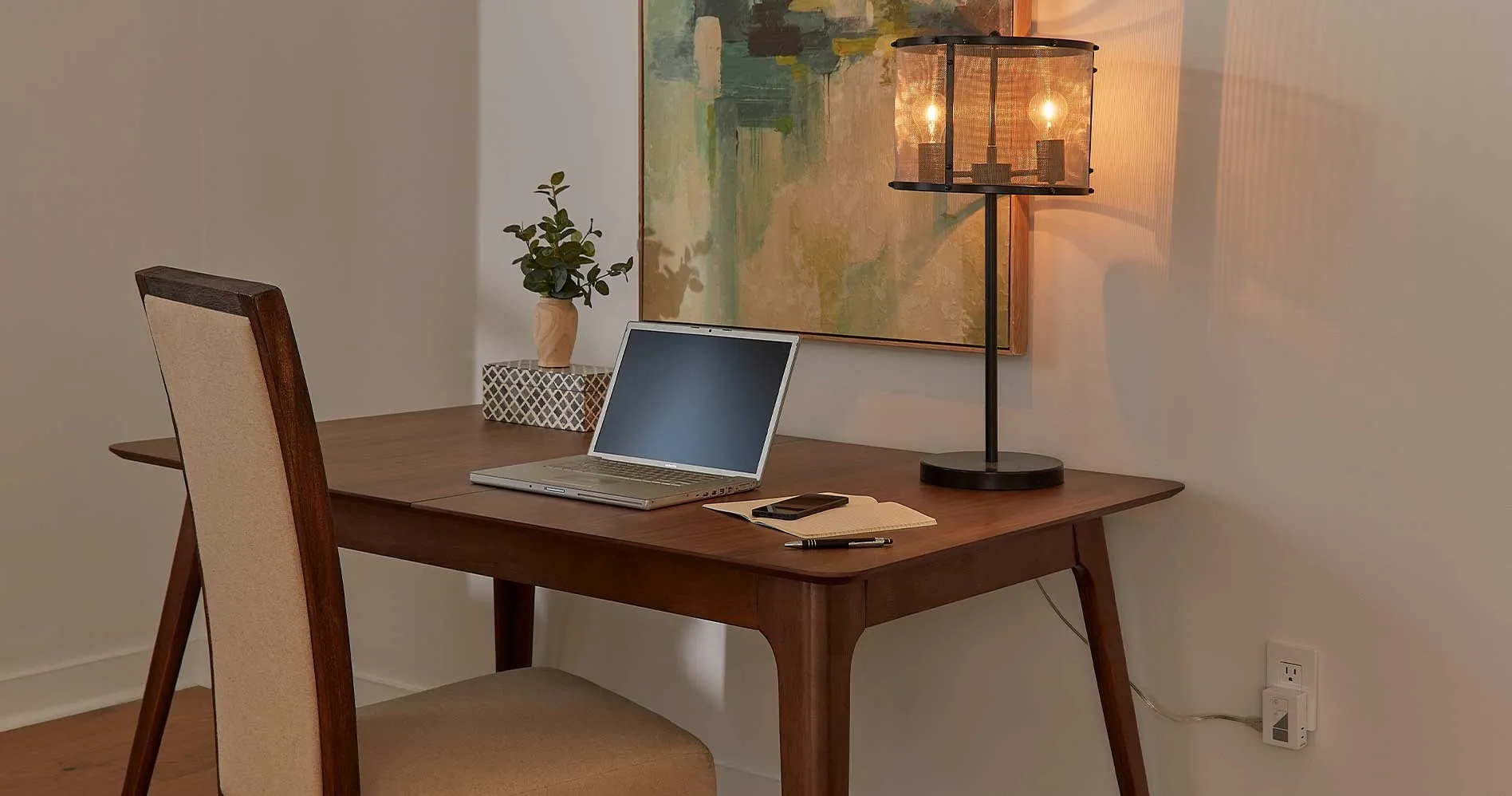
A pair of lamps can frame a sofa neatly, as the example shows. In an apartment with a doorway on one side and a narrow table on the other, an uneven arrangement may fit better. Judge the result by the seats and surfaces receiving light, then consider how the fixtures look together.
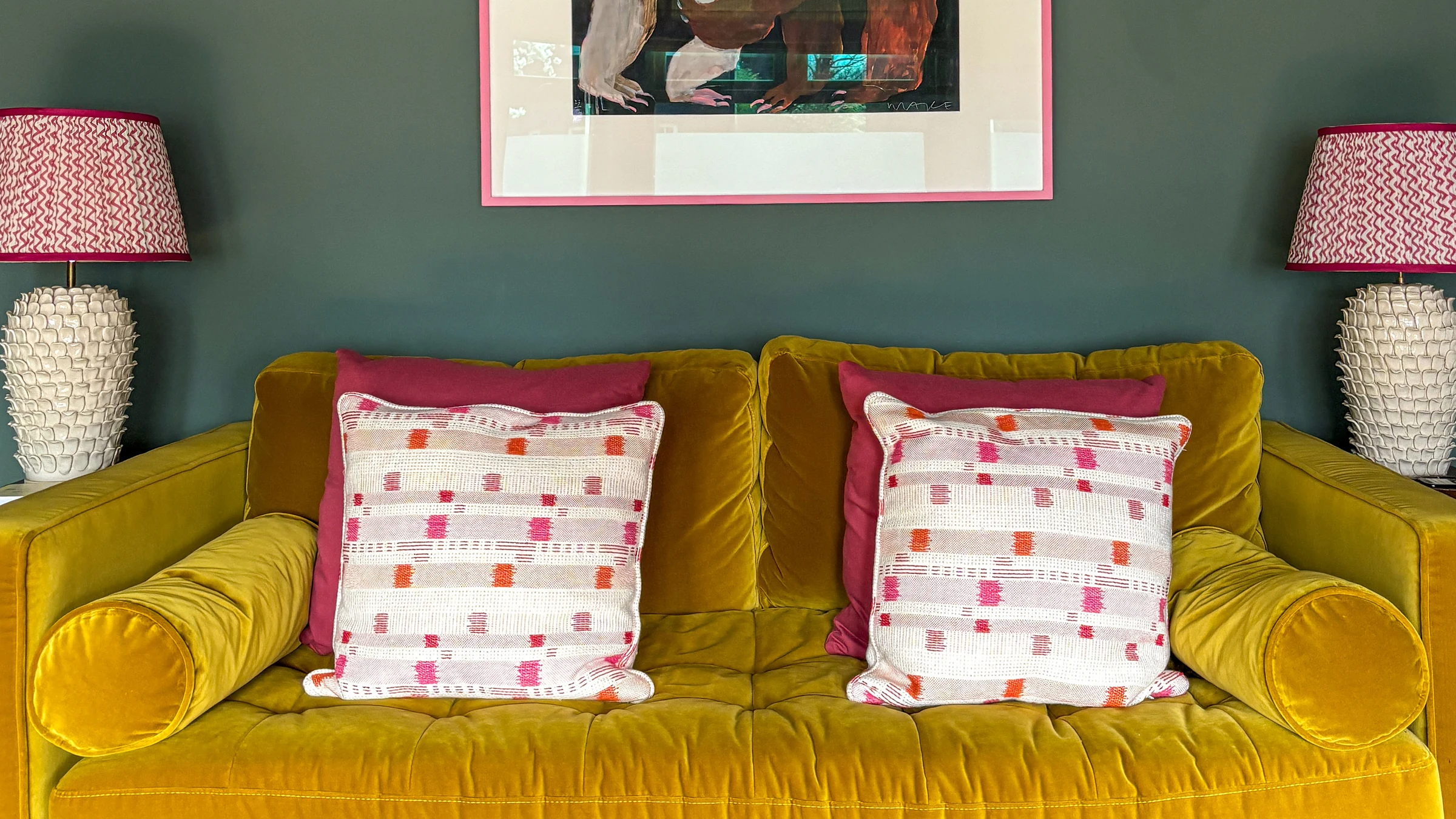
Check the space around the lamp as well. A large base can make a narrow route feel crowded, and a side table still needs room for the things you use. Keep the cord route in mind when trying a position, following the lamp’s instructions and keeping walking paths clear.
Choose a bulb or lamp for the gap you found
After the placement check, I’d make the smallest change that solves the problem. If the lamp puts light where you need it but the color feels wrong, I’d try a bulb first. A different fixture becomes useful when the existing one can’t reach the seat or cover an exposed source.
Bulb color and brightness
For a warm evening look, 2700K or 3000K is a useful starting point to try in a lamp you already own. The Department of Energy’s bulb guidance places both in the warm end of its color-temperature examples. Your walls, shade, and preferences still affect which appearance you like.
Read Kelvin (K) for the color appearance and lumens (lm) for light output. Those labels answer different questions: how warm or cool the light looks, and how much light the bulb produces. Compare both when replacing a bulb, especially if your current lamp has the color you like but feels too intense.
Try a replacement in its intended lamp after dark before changing every bulb. A shade can change the appearance of the light reaching the room, and the same bulb may feel different beside the sofa and across the room. Keep the packaging details so you can repeat a combination you like.
Shade, footprint, and controls
A shade should work from the position where you’ll use the lamp. Check whether it covers the bright source from a seated view and whether the light reaches the intended surface. A directional reading lamp and a broadly glowing shade solve different problems, so choose according to the job you identified.
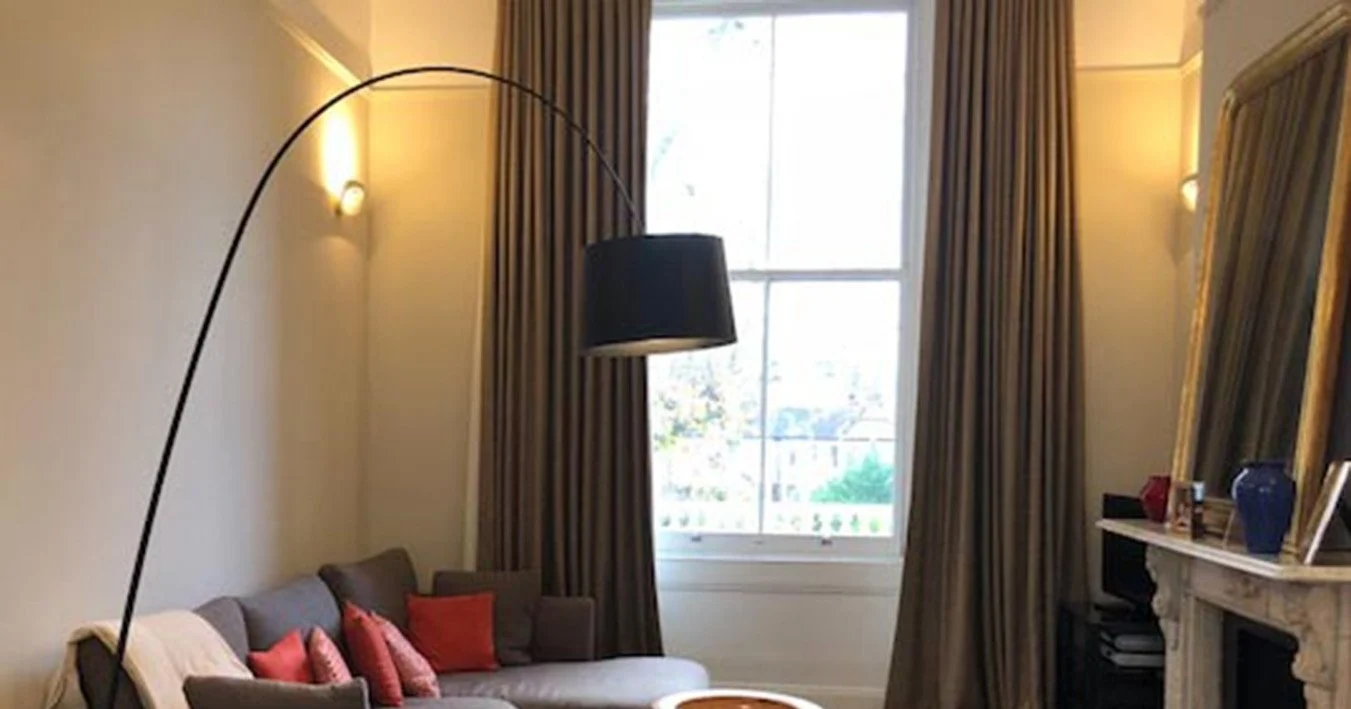
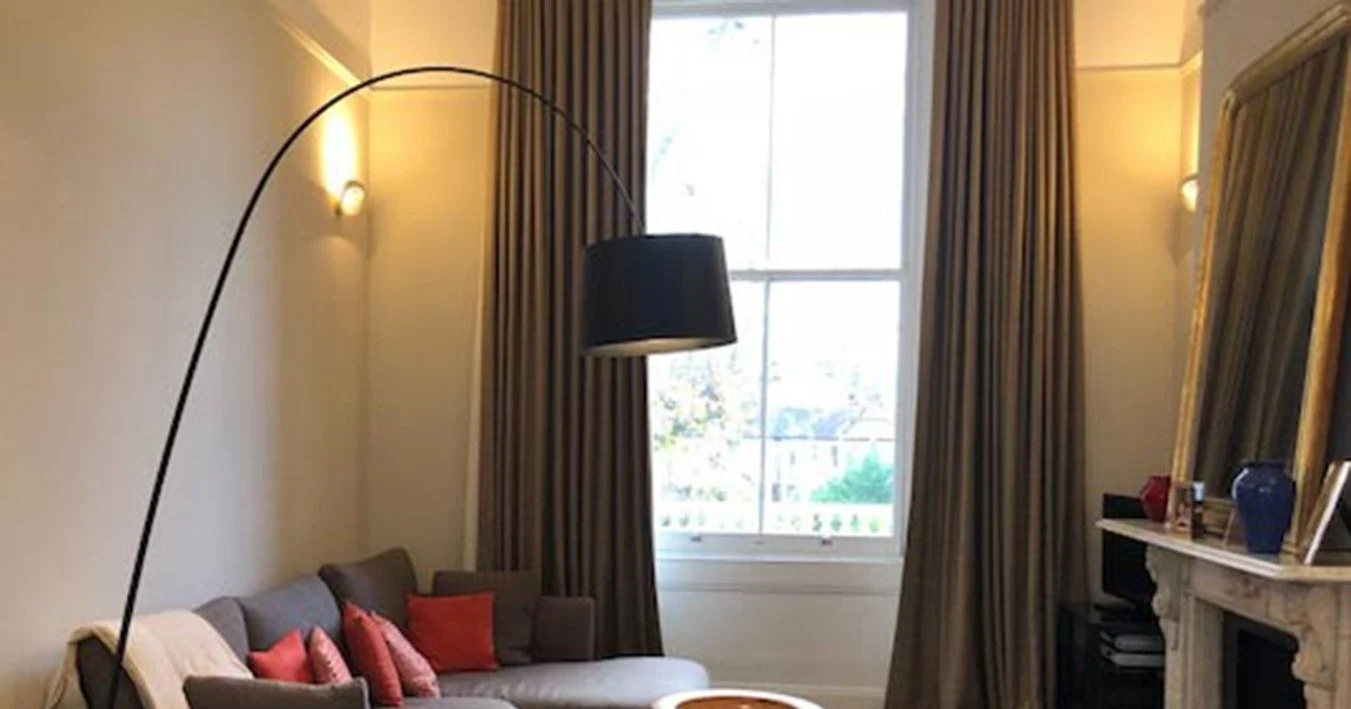
For a small living room, check the whole fixture’s footprint, including an arched arm or a wide shade. A slender base can still support a head that extends into a walkway. Measure the available spot against the product dimensions, and leave access to the table, seat, and switch.
Controls make the arrangement easier to live with. Look for a switch you can reach and, if you want dimming, check the manufacturer’s compatibility information for the bulb, lamp, and control. ENERGY STAR’s lighting guidance flags LED and dimmer compatibility; a dimmable bulb label alone doesn’t establish that every combination will work together.
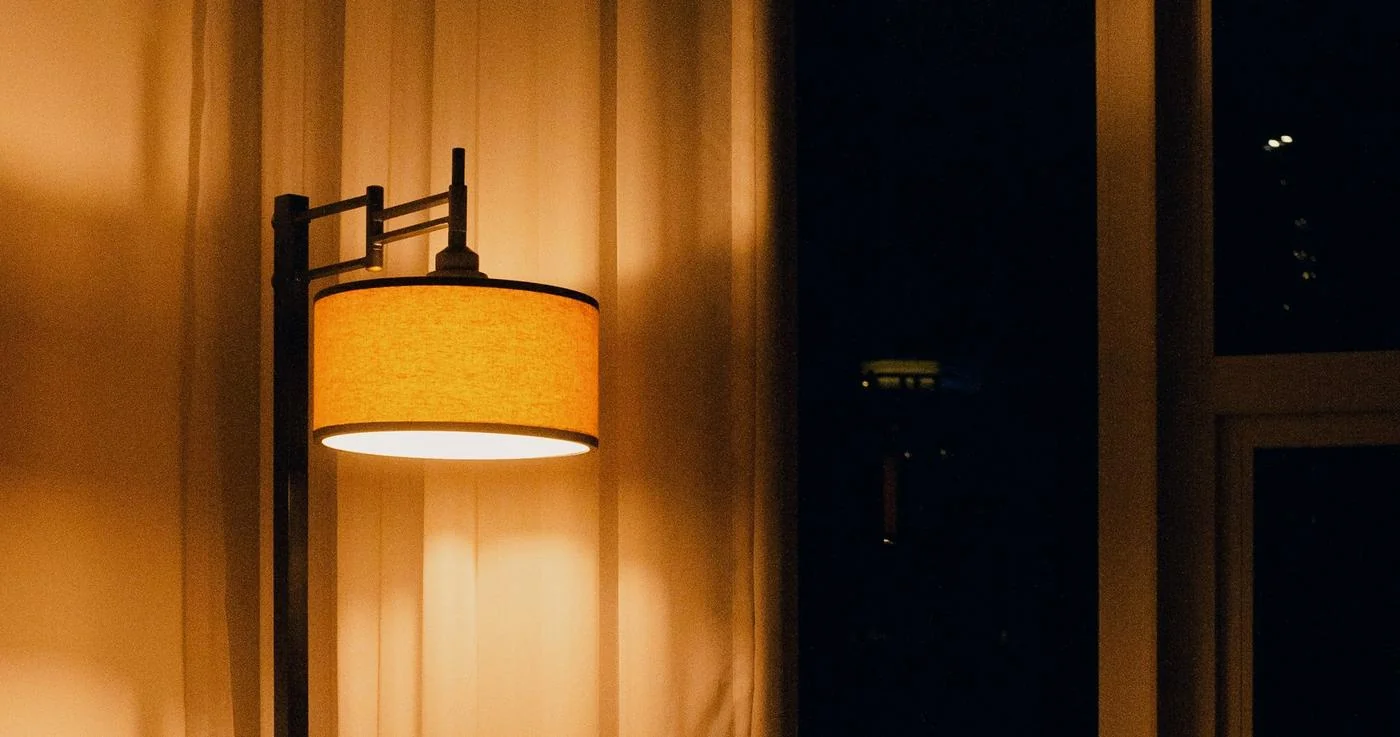
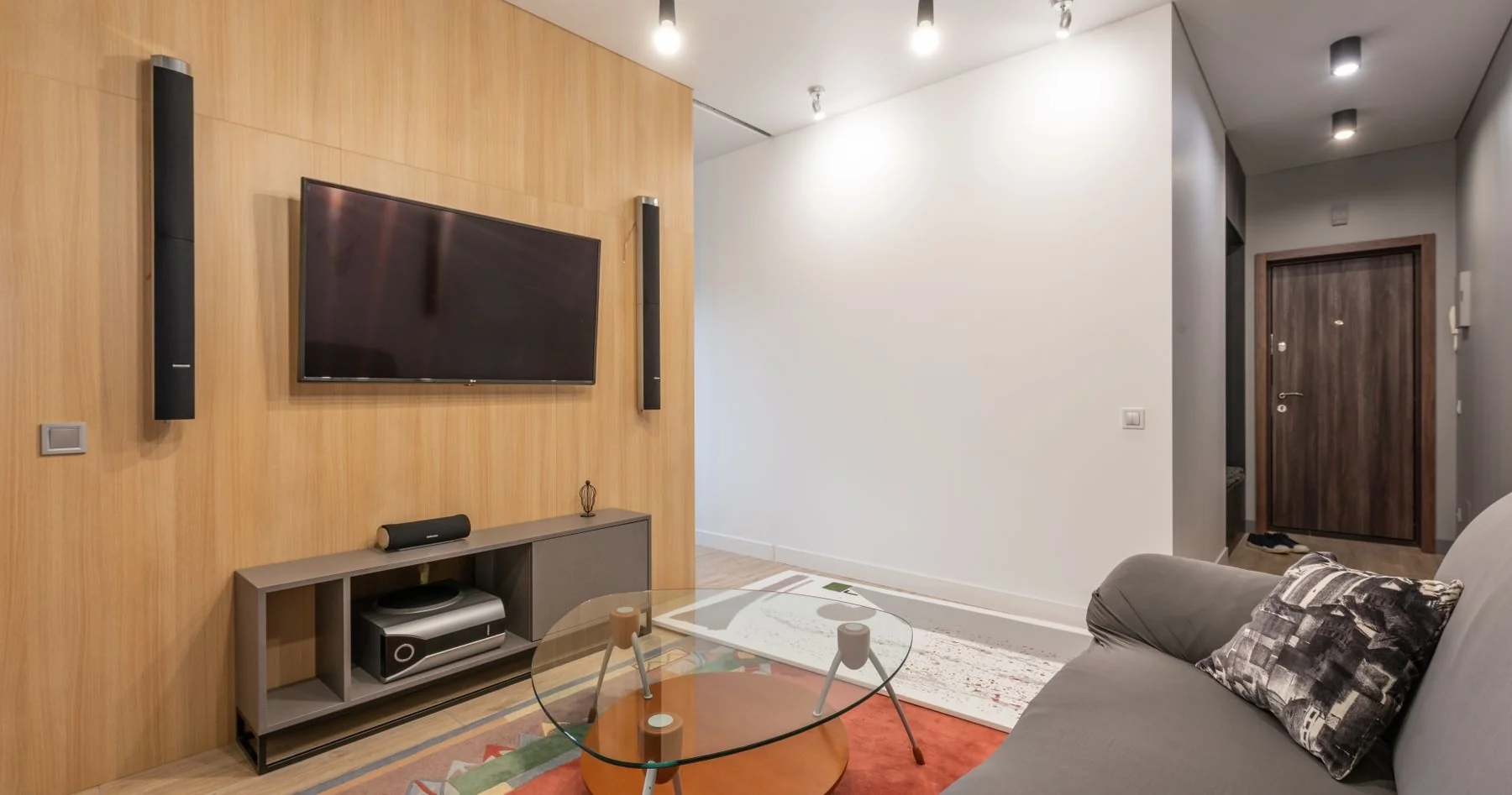
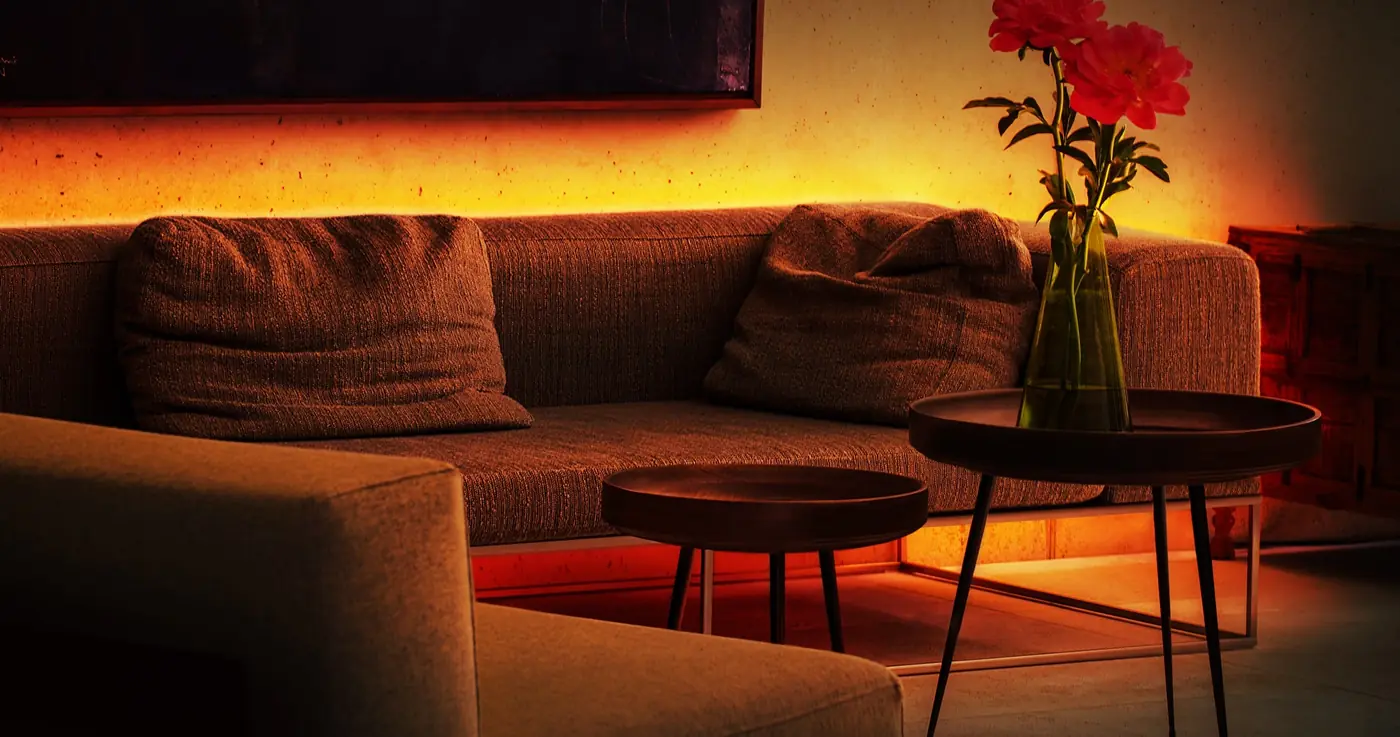
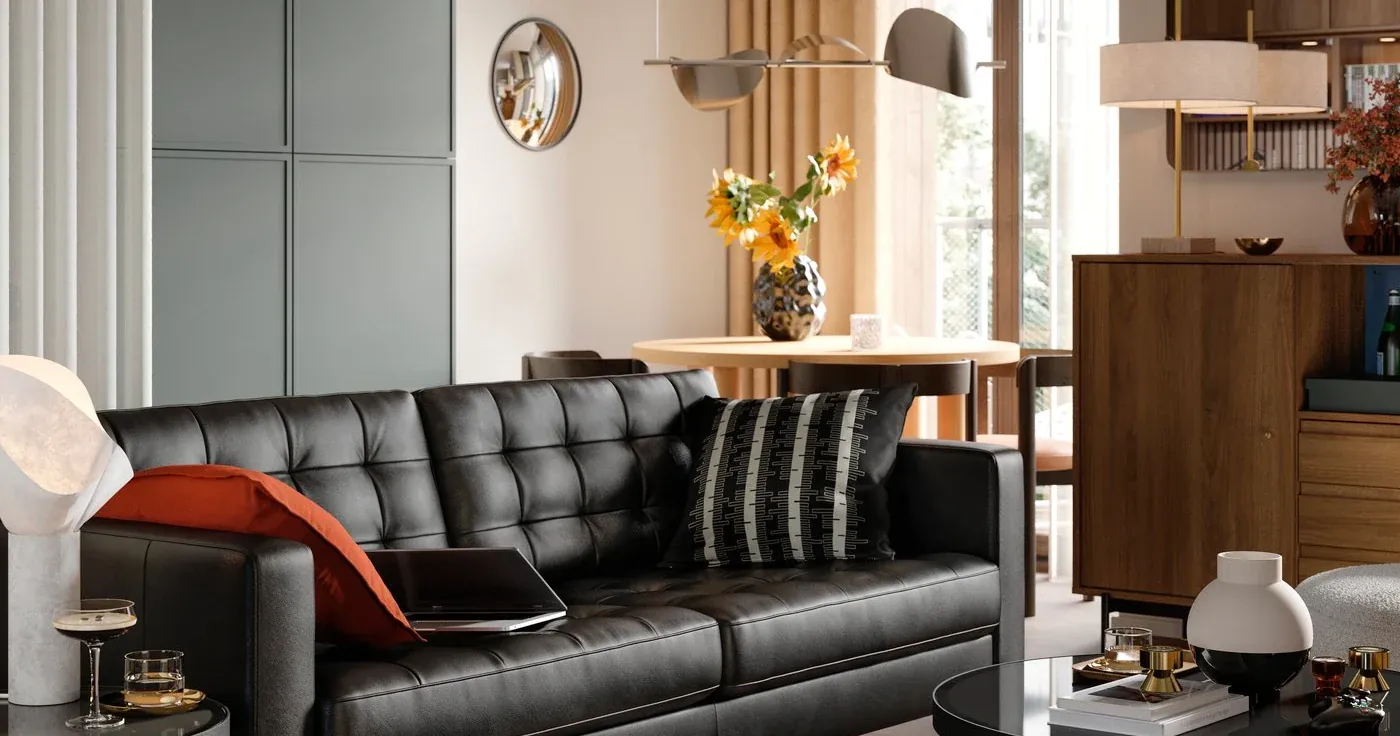
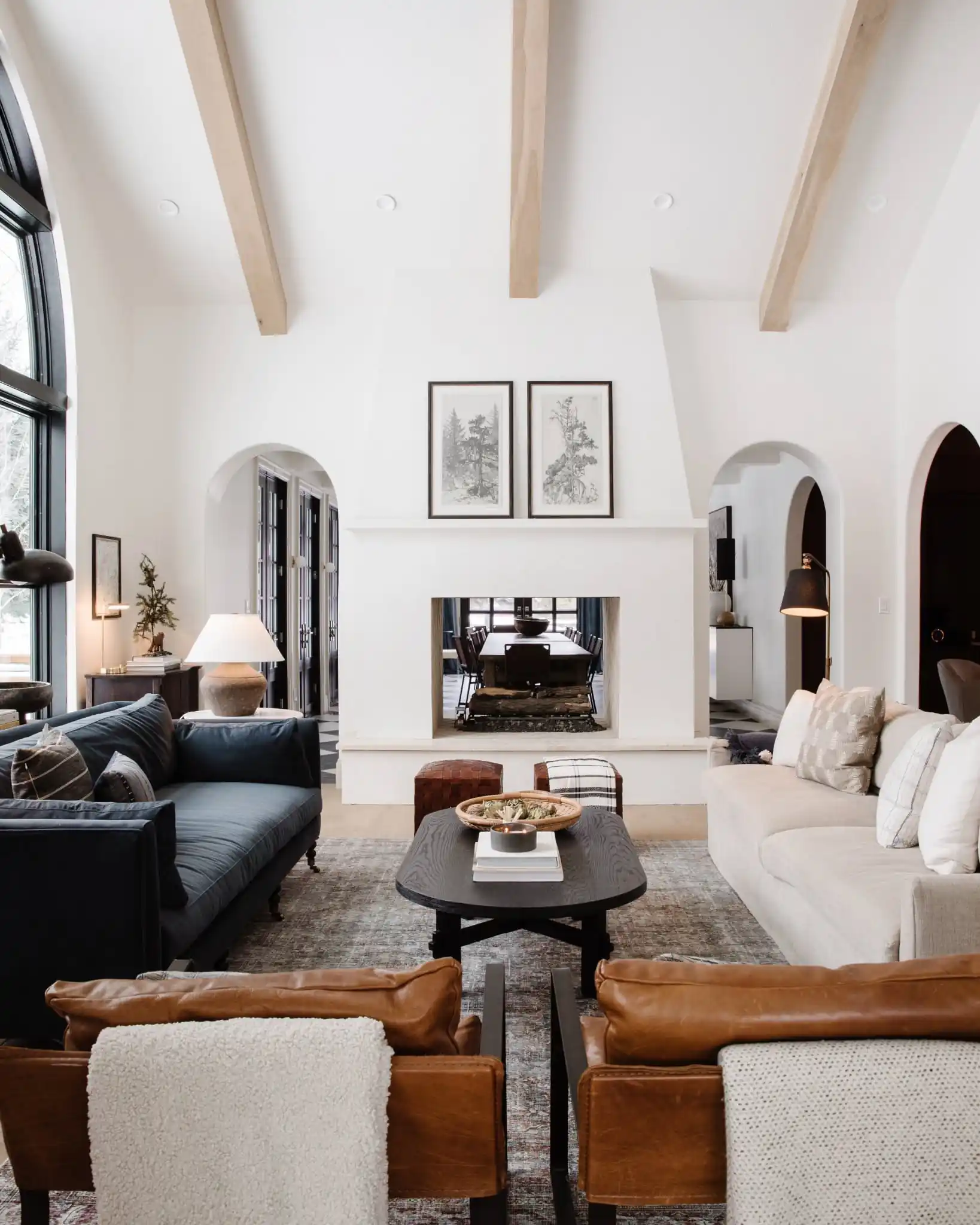
Keep a practical evening setting as well as a brighter setting for other uses. The room in the example below has several visible light sources, but a photograph can’t tell you which combination will suit your own seating. Check your arrangement during the activities you want it to support.
Pick your next living room lighting fix
The first check should leave you with a specific question to solve. If you’re working around an apartment’s fixed features, begin with the constraint that changes your choices most. These three decisions call for different kinds of planning, even when they involve the same lamps.
- No overhead lighting: plan how portable lights will provide general illumination as well as light at individual seats. Outlet locations and usable surfaces shape the options.
- Old and new lamps that feel unrelated: compare their scale, shade shapes, and finishes together. Decide what should repeat before replacing a lamp that already works well.
- Daylight versus soft white bulbs: separate your preference for light color from the output needed for reading or other activities. Compare the actual Kelvin labels on the bulbs you’re considering.
Choose the issue you noticed from the sofa and make one change tonight. Move the reading light, reduce an uncomfortable bright spot, or try a different bulb in the lamp that needs it. Leave the rest in place long enough to judge that change during an ordinary evening.