A replacement LED bulb fits a small lamp only when its base matches the socket and its body fits the space inside the existing shade. A narrow screw base can still carry a wide globe, so “small bulb” isn’t enough detail to buy from. Separate the base code, bulb dimensions, and shade space before choosing a replacement.
In this guide
Match the bulb base before comparing the globe
The base is the part that connects the bulb to the socket; the globe is the rounded body above it. Those features answer different questions. A product photo may make the globe look familiar while hiding a base that your lamp doesn’t accept.
Use the lamp’s label or model guide to identify the required base. The marking on the old bulb is a useful clue when that bulb was the correct type for the lamp. If the code is missing or unreadable, a photo of the socket and the lamp’s model number gives the maker a clearer question to answer than a photo of the shade alone.
The globe bulb below is an E12 model. The narrow metal screw section and the broader body are separate parts of its outline.
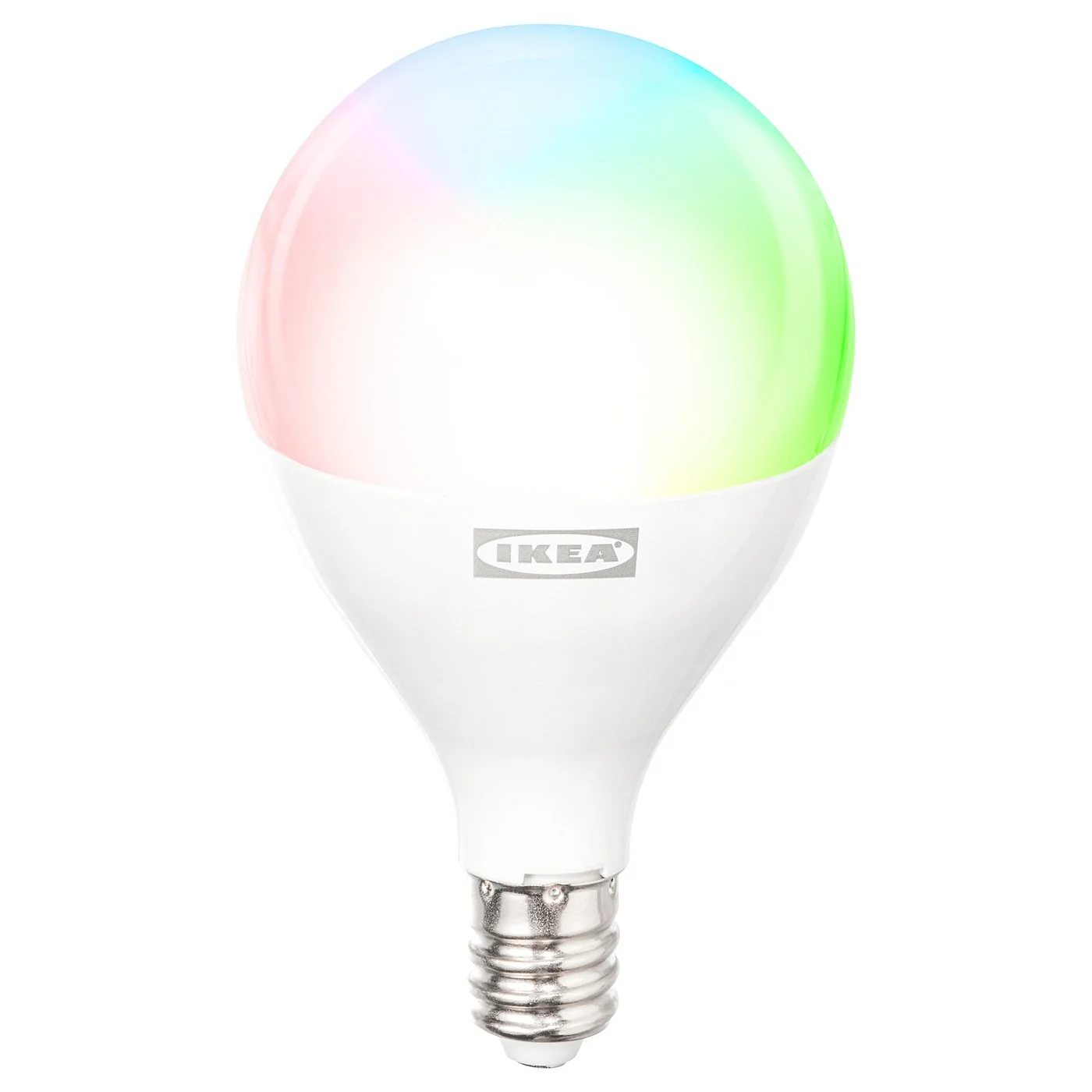
For the room around the lamp, our cozy living room lighting guide covers how existing lamps serve different seats and activities. Here, the decision is whether a particular replacement fits the lamp you already have.
Similar globe shapes can have different screw bases
A globe outline doesn’t establish a matching connection. The bulb below is an E26 model according to IKEA’s product information, even though it also has a rounded top and a white housing above its screw base.
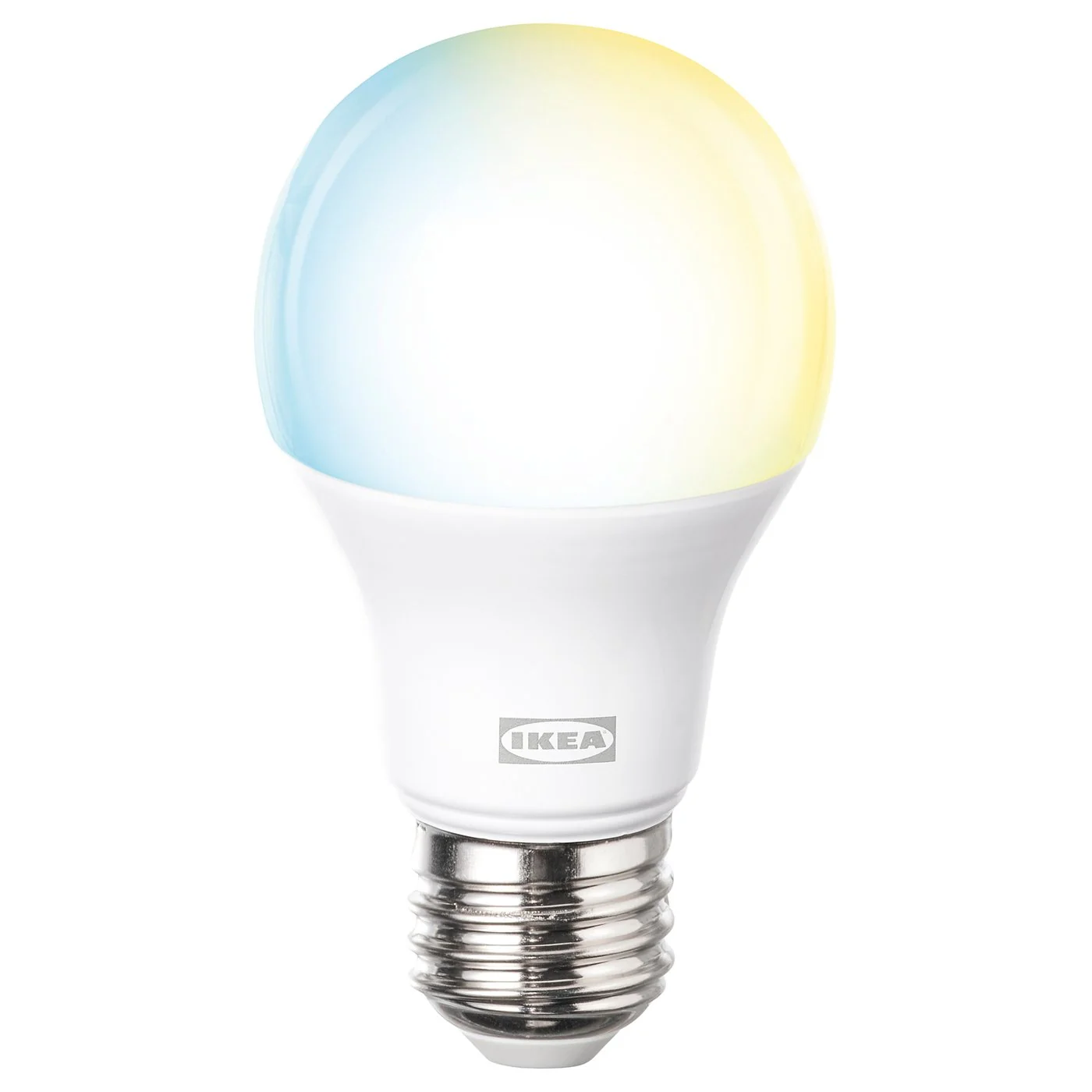
These are separate product photographs, each framed to show its own bulb clearly. Their displayed sizes aren’t a scale comparison. Read the base designation for the connection and the stated dimensions for the body; neither can be reliably worked out from the relative size of these pictures.
A search such as “E12 LED globe bulb” can narrow the results once the lamp’s required base is confirmed. The listing still needs a size check. I’d keep the base code and the full model name together in a shopping note so a similar-looking bulb doesn’t quietly replace the one I checked.
Compare bulb width and height inside the existing shade
With the base identified, the remaining physical question is where the body will sit. Overall height runs from the bottom of the bulb’s base to its top. Maximum width describes its widest part, which may sit well above the socket. Matching height alone can leave a broader replacement crowding the shade or its supporting frame.
The old bulb provides a useful shape reference if it fitted correctly. Compare the new bulb’s stated overall height and maximum width with that reference, then consider the space at the level where the new bulb will be widest. A rounded bulb that widens close to its base can occupy a different part of the shade from a longer, narrower bulb.
The route into the shade matters too. A bulb may need to pass through an opening before it reaches the socket. Keep that opening separate from the wider space farther inside, and use the lamp’s guide for access rather than assuming a room photo shows how the shade comes off.
The bulb’s size helps rule out an oversized choice, but the required clearance comes from the lamp, bulb, and shade makers’ guides. An apparent gap in a photo doesn’t establish the required clearance for your lamp. If the guides leave the fit unresolved, ask the lamp manufacturer’s support team about the proposed bulb dimensions and the lamp model before ordering.
If the shade itself needs changing, lampshade measurements and fitter types covers its attachment and dimensions. Keeping the existing shade leaves those fittings in place, but a clip-on shade also needs the replacement bulb shape specified for its clip.
Keep physical fit separate from the bulb’s other requirements
A matching base and a body that fits are the physical part of the decision. The lamp’s permitted bulb type, electrical ratings, and any rules for enclosed shades still need to agree with the new bulb’s guide. Keep those model-specific limits beside the dimensions rather than treating a size match as complete approval.
Brightness and light color are separate choices. Dimming needs its own check as well: our LED bulb and plug-in dimmer compatibility guide explains why a matching screw base doesn’t establish compatibility with a control.
Before buying, keep the lamp model, required base, replacement bulb model, overall height, and maximum width in the same note. Add any unresolved question about the shade opening or internal space. That leaves a concrete fit question for the manufacturer—and a useful record when the next bulb needs replacing.
Explore the full guide: Cozy Living Room Lighting: Start With the Lamps You Have